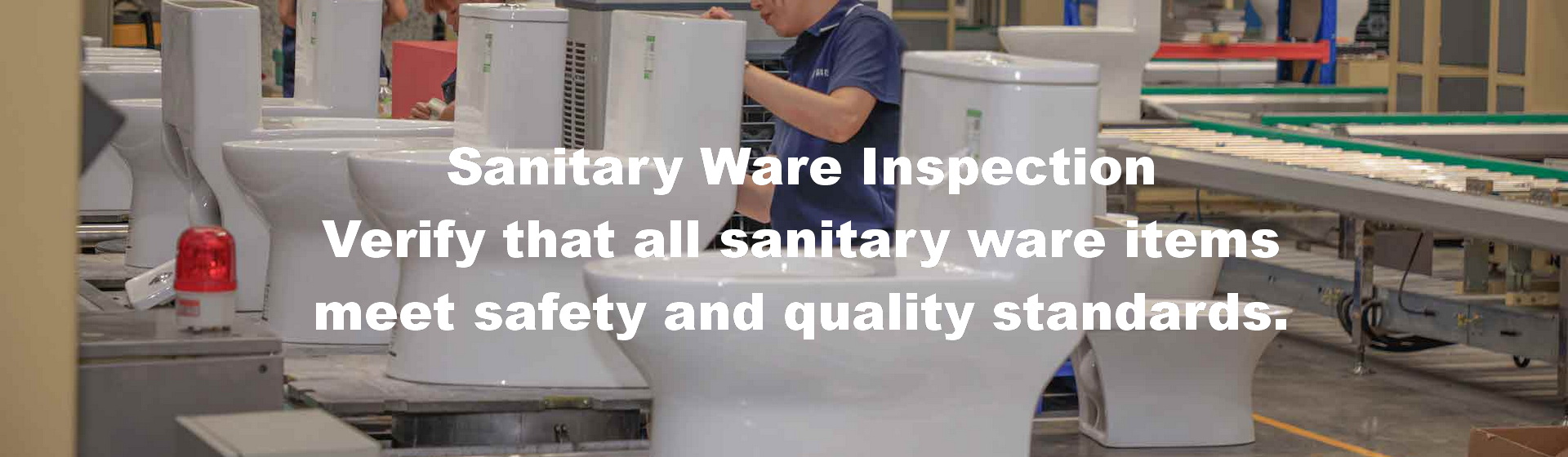
Sanitary Ware Inspection
In the world of sanitary ware, quality control is not just a checkbox on a list—it’s the foundation upon which consumer trust and product longevity are built. The importance of Sanitary Ware Quality Control cannot be overstated; it ensures that products meet safety standards, function as intended, and stand the test of time. With increasing competition in global markets, particularly from manufacturers across Asia, understanding how to maintain high-quality standards through effective inspection services is crucial for any business looking to thrive.
Importance of Sanitary Ware & Fittings Testing
> Sanitary ware and fittings testing is crucial for protecting public health, ensuring user safety, and maintaining product quality. Testing helps manufacturers identify and rectify defects, improve product designs, and meet industry standards and regulations. By undergoing rigorous testing, sanitary ware and fittings can provide reliable and long-lasting performance, enhancing the overall functionality and safety of bathrooms and kitchens:
> Material and Construction: Testing includes assessing the materials used for sanitary ware and fittings, such as ceramics, metals, and plastics. Tests evaluate the strength, durability, and resistance to corrosion, chemical attack, and wear. Construction tests focus on dimensional accuracy, structural integrity, and the ability to withstand specified loads and pressures.
> Performance and Functionality: This area assesses the operational aspects of sanitary ware and fittings. Tests include water flow rate, flushing efficiency, and the ability to maintain consistent water temperature. Fittings like faucets and showerheads are tested for leak-proof performance, ease of operation, and the ability to resist mineral buildup.
> Safety and Hygiene: Safety tests focus on preventing hazards such as scalding, sharp edges, and the presence of harmful substances. Hygiene tests assess the ability of sanitary ware to resist the growth of bacteria and fungi, as well as ease of cleaning and maintenance.
> Durability and Endurance: Durability tests simulate the long-term use of sanitary ware and fittings. These tests often involve repeated cycles of operation, exposure to extreme temperatures, and simulated wear and tear. The goal is to ensure that the products can withstand regular use without failing or deteriorating.
> Dimensional Measurement: Using calipers, micrometers, and 3D scanners to verify that products meet specified dimensions and tolerances.
> Performance Testing: Assessing functionality such as water flow rates, flushing efficiency, and temperature control using specialized rigs and equipment.
> Pressure Testing: Applying pressure to check for leaks in faucets, valves, and connections, often using air or water.
> Durability Testing: Simulating long-term use by cycling products, such as operating faucets or flushing toilets, to assess their ability to withstand wear and tear.
Material Testing: Conducting tensile tests, corrosion tests, and chemical analysis to evaluate the strength, resistance, and composition of materials.
> Hydrostatic Testing: Subjecting products to high water pressure to check for leaks and structural integrity.
Thermal Shock Testing: Exposing products to rapid temperature changes to assess their resistance to cracking or damage.
> Resistance Testing: Assessing resistance to bacteria and fungi, as well as ease of cleaning and maintenance, often in specialized labs.
Environmental Testing: Exposing products to extreme temperatures, humidity, and UV light to evaluate their resistance to environmental factors.
> Ensure Hygiene: Evaluate resistance to bacteria and fungi, as well as ease of cleaning and maintenance.
Meet Industry Standards: Ensure compliance with relevant regulations and standards for product quality.
> Identify Defects: Detect and rectify any manufacturing or design flaws.
> Improve Designs: Use testing data to refine product designs for better performance and longevity.
> Visual Inspection: A thorough visual examination to identify defects, check dimensions, and ensure proper assembly.
Purpose of Testing Sanitary Ware and Fittings
> Ensure Safety: Verify that products meet safety standards to prevent hazards like scalding or exposure to harmful substances.
> Guarantee Performance: Assess functionality, such as water flow rates, flushing efficiency, and temperature consistency.
> Assess Durability: Evaluate the ability of products to withstand long-term use and wear and tear.
> Verify Material Quality: Check the strength, corrosion resistance, and overall quality of materials used.
> Confirm Structural Integrity: Ensure that products can handle specified loads and pressures without failure.
> Prevent Leaks: Test faucets and fittings for leak-proof operation to conserve water and prevent damage.
Key Aspects of Sanitary Ware Inspection
A good quality control plan involves quality-assurance experts. Lay out clear expectations for your sanitary wares with a expertise checklist that helps you increase safety and compliance. Problems with a wide range of sanitary wares. Checklist including:
• Product packing check • Color comparison check
• Barcode readability check • Fatigue test
• Instruction manual check • Mechanical strength test
• Accessories check • Switch test
• Assembly check • Water flow test
• Visual check • Water temperature test
• Stability /wobble base check • Hydraulic characteristics test
• Ball emissions testing • Water leakage check
• Destructive test for seat cover • Leak tightness check
• Water consumption check • Acoustic characteristic test
• Splash pollution check • Fatigue test
• Flushing test • Product size & weight measurement
• Loading test • Labeling Check
Why Choose Why for Sanitary Ware Inspection
> Ensure Safety: Verify that products meet safety standards to prevent hazards like scalding or exposure to harmful substances.
> Guarantee Performance: Assess functionality, such as water flow rates, flushing efficiency, and temperature consistency.
> Assess Durability: Evaluate the ability of products to withstand long-term use and wear and tear.
> Verify Material Quality: Check the strength, corrosion resistance, and overall quality of materials used.
> Confirm Structural Integrity: Ensure that products can handle specified loads and pressures without failure.
> Prevent Leaks: Test faucets and fittings for leak-proof operation to conserve water and prevent damage.