What is a Mechanical Inspection
At SIT. A mechanical inspection is a comprehensive evaluation of a building’s mechanical systems by a qualified engineer. This includes:
- HVAC units
- Boilers
- Chillers
- Pumps
- Piping networks
- Valves
- Control systems that coordinate everything
Each component gets evaluated for correct installation, safe operation, and energy-efficient performance.
The inspection serves three critical purposes. It:
- Verifies every piece of equipment operates within its designed temperature, pressure, and flow limits
- Identifies emerging hazards, such as leaks, corrosion, vibration, or improper clearances that could endanger occupants or cause costly shutdowns
- Benchmarks findings against industry standards including the American Society of Heating, Refrigerating and Air-Conditioning Engineers (ASHRAE) ventilation and energy guidelines, the U.S. National Fire Protection Association (NFPA) fire-safety provisions, and the International Mechanical Code
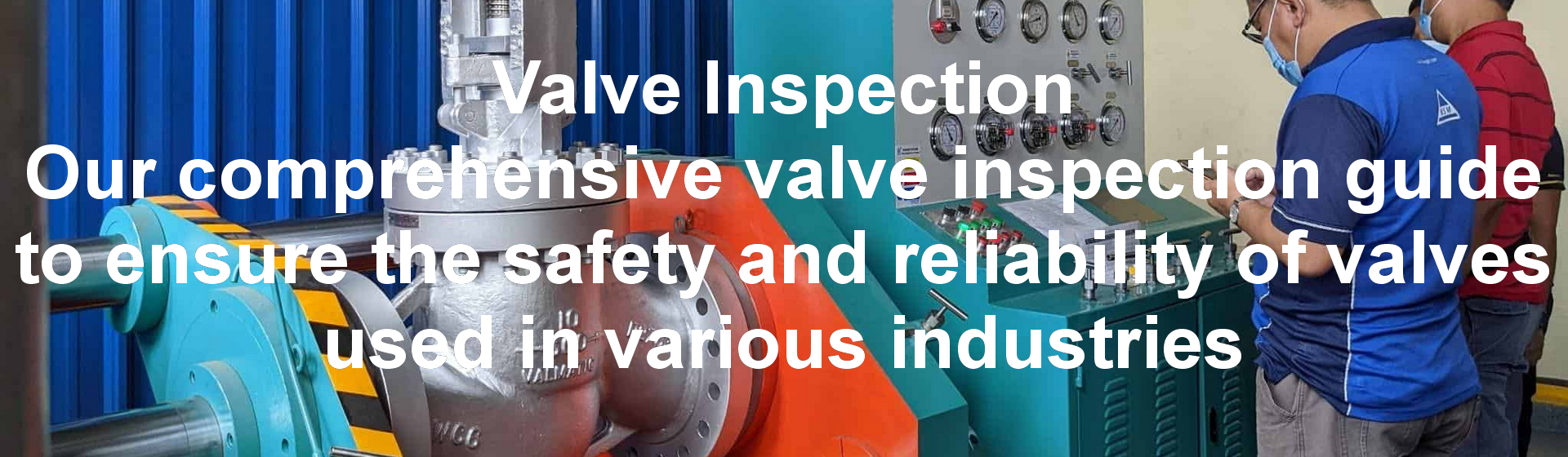
In the complex world of industrial machinery and fluid control, the humble valve plays a pivotal role. Whether in the oil and gas industries or municipal water systems, the integrity of a valve determines the safety and efficiency of the entire operation.
Main items of Valve Inspection
Valve inspection is crucial to ensure its safety and reliability in various application environments. The following are the main items of valve inspection and their standards and inspection methods.
Valve Visual Inspection
Check whether the appearance of the valve has defects, such as cracks, bubbles, dents, etc.
Check whether the logo, nameplate and surface treatment meet the requirements.
Standard: API 598, ASME B16.34, ISO 5208
Inspection method: Through visual inspection and hand inspection, determine whether there are obvious defects on the valve surface, and check whether the logo and nameplate information are correct.
Valve Dimension Inspection
Measure the key dimensions of the valve, including the connection port, valve body length, valve stem diameter, etc., to ensure that it meets the design drawings and standard requirements.
Standard: ASME B16.10, ASME B16.5, ISO 5752
Inspection method: Use calipers, micrometers and other measuring tools to measure the key dimensions of the valve toensure that it meets the design requirements.
Valve Sealing Performance Test
Standard: API 598, ISO 5208, EN 12266-1
Test method: Static pressure test: Apply hydrostatic pressure or air pressure to the valve, and check for leakage after a certain period of time.
Low-pressure air tightness test: When the valve is closed, apply low-pressure gas to the inside of the valve and check for leakage.
Strength Test
Shell Strength Test: Apply hydrostatic pressure higher than the working pressure to the valve to test its shell strength and pressure resistance.
Valve Stem Strength Test:Evaluate whether the torque or tensile force borne by the valve stem during operation is within the safe range.
Standard: API 598, ASME B16.34, ISO 5208
Test method: Apply hydrostatic pressure or air pressure higher than the working pressure to the valve, and check for deformation or cracking of the valve shell after a certain period of time.
Operational Performance Test
Test the valve opening and closing torque, opening and closing speed, and operating feel to ensure smooth operation and within a reasonable torque range.
Standard: API 6D, ISO 10497
Test Method: By operating the valve, measure the opening and closing torque, and evaluate the smoothness of the valve opening and closing.
Valve Flow Test
Test the flow characteristics of the valve at different openings to evaluate its ability to regulate the fluid.
Standard: ISO 5211, ISO 60534
Test method: Measure the fluid flow through the valve at different openings to evaluate the valve’s regulation ability.
Valve Corrosion Resistance Test
Evaluate the corrosion resistance of valve materials to the working medium, usually using methods such as salt spray test or immersion test.
Standard: ISO 9227 (salt spray test), ASTM G85
Test method: Place the valve in a salt spray test chamber to simulate a corrosive environment and test the durability of the material under corrosive conditions.
Valve Fatigue Test
The valve is repeatedly opened and closed to evaluate its durability and reliability in long-term use.
Standard: ISO 19879, ASME B16.34
Test method: Repeatedly operate the valve and perform opening and closing cycles to evaluate its reliability and durability in long-term use
Valve Temperature Test
Test the performance stability of the valve under different temperature conditions to ensure its normal operation in extreme temperature environments.
Standard: API 607, ISO 10497 (fire test), EN 12567
Test method: Place the valve in a high or low temperature environment to test its performance under extreme temperatures
Valve Vibration and Impact Test
Evaluate the stability and reliability of the valve under vibration and impact environments.
Standard: ISO 10816, ISO 19879
Test method: Place the valve on a vibration table or impact table to simulate the vibration and impact in the working environment and test the stability and reliability of the valve.
Valve Leakage Detection
Internal leakage detection: Test the internal sealing performance of the valve in the closed state.
External leakage detection: Check the external sealing of the valve in use to ensure that there is no leakage of the medium.
Standards: API 598, ISO 5208, EN 12266-1
Testing method: When the valve is closed, perform internal and external leakage tests to ensure that the valve is leak-free under working pressure.
Valve Working Life Test
Simulate the service life of the valve through long-term operation and check its performance degradation.
Standards: ISO 19879, API 6D
Testing method: Simulate the operation of the valve in actual working conditions and perform long-term opening and closing operations to evaluate its service life.
Conclusion
A comprehensive valve inspection checklist is an indispensable tool for mechanical the safety, reliability, and efficiency of industrial systems. By systematically evaluating each component, performing functional tests, and documenting findings, SIT Engineering Team can identify issues early and plan corrective actions proactively. ensure they operate as intended, minimizing downtime and preventing costly failures.