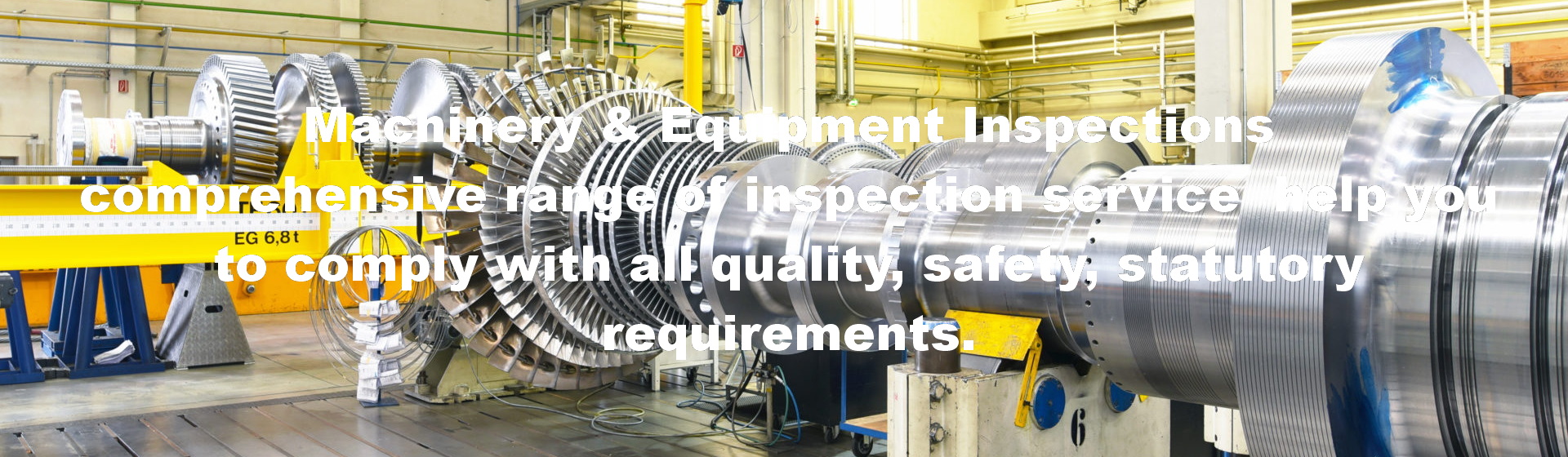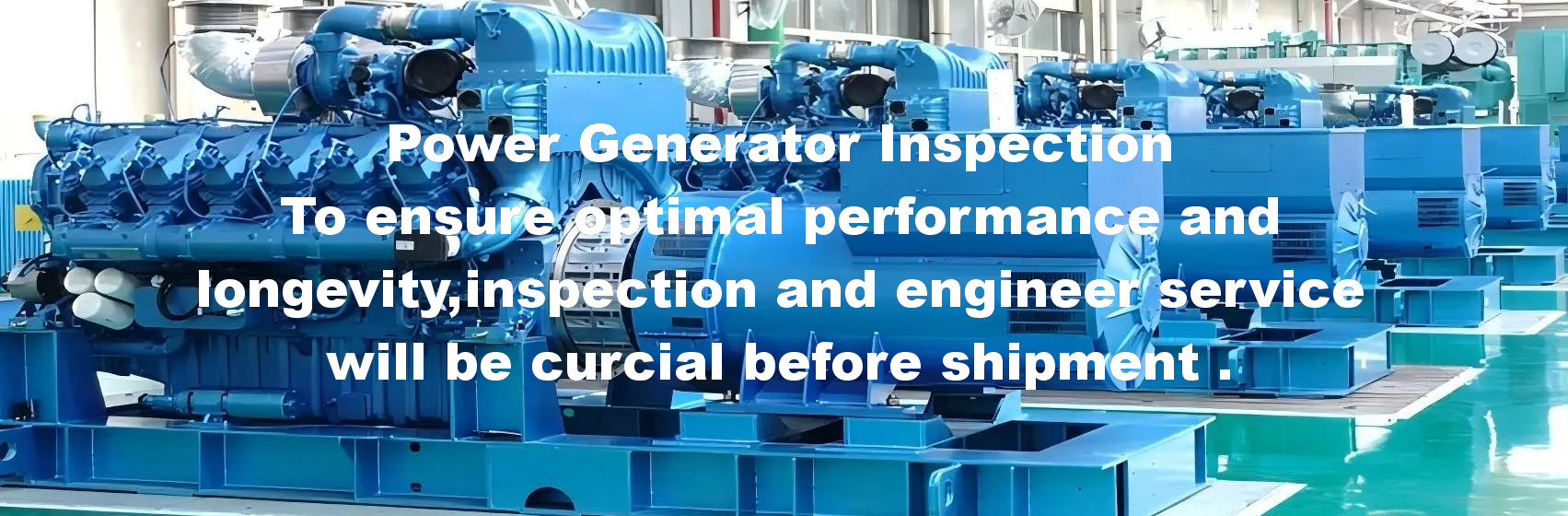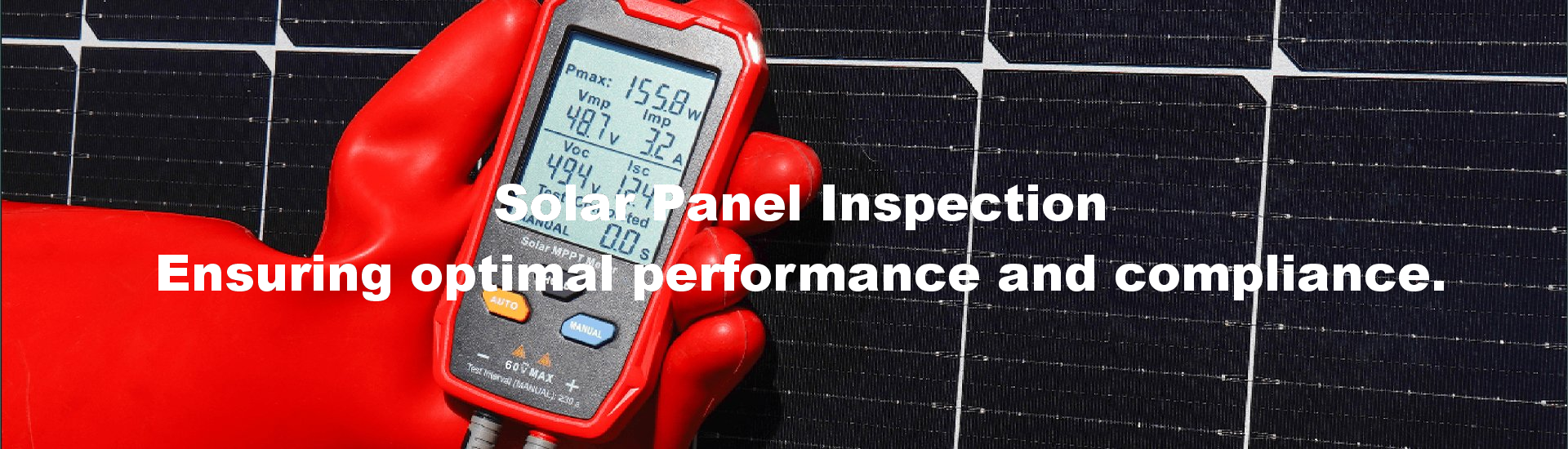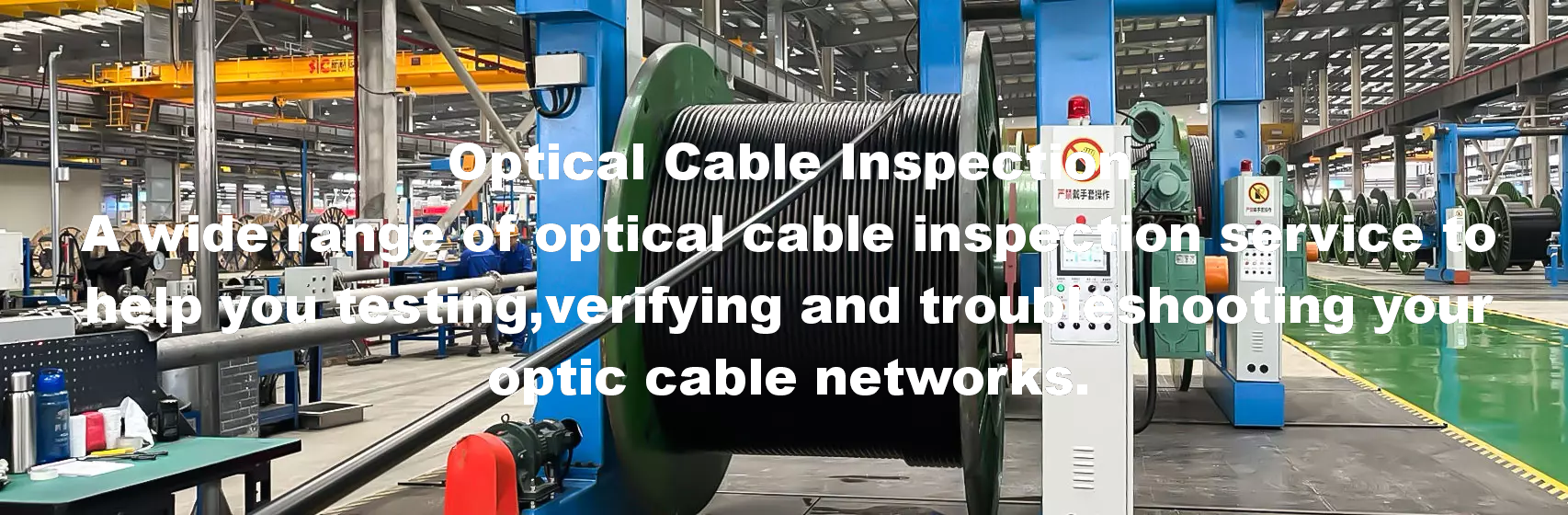
Machinery & Equipment Inspections
The machinery & equipment inspection ensures that all machinery and equipment are safe to operate, maintained in good condition,and comply with safety standards.This quality engineer inspection helps accidents , breakdowns, and operational disruptions.
What is Machine Inspection?
Machinery & equipment inspection is not only about inspecting the conditions of machinery & equipment daily when it is used. While this daily inspection is important, there are also other types of inspection you need to do to find out the possible risks that may cause the machine to fail suddenly.
Key Aspects of Machinery Inspection.
> Visual Inspection of Machinery: It’s the first defense in machinery maintenance. It involves a thorough check of the machine’s external parts. This is to find any obvious damage, misalignment, or wear. Catching these issues early can prevent major repairs and ensure safe operation.
> Check for Wear and Tear: Machines suffer from wear and tear over time. Constant stress and strain cause this. Conduct routine checks on equipment for cracks, rust, or loose fittings. Early identification of wear and tear allows for timely repairs. This prevents unexpected breakdowns and extends the machine’s life.
>Inspection of Emergency Stop Buttons: Emergency stop buttons are critical for machine safety. These buttons must be easy to access and work at all times to ensure the operators’ safety. Inspections can confirm that these buttons are operational and safe.
> Evaluation of (PPE): Personal protective equipment protects workers from hazards. Your checklist should test PPE. The equipment needs to meet quality standards. Operators should use it with proper care and maintain it as recommended. This step safeguards workers from harm in emergency situations.
> Lubrication and Fluid Levels: Proper lubrication reduces friction and wear in machinery. Frequent fluid level checks and lubrication maintenance ensure the machine’s smooth operation. They prevent costly repairs from overheating or mechanical failure.
> Safety Guard Inspection: Safety guards protect operators from moving parts and other hazards. We must inspect these guards. They must be secure and undamaged. This is essential to prevent accidents. Please fix any faults in safety guards right away. This is to maintain a safe working environment.
> Electrical System Check: The electrical system is the heart of any machine. It powers all its functions. Regular checks of the wiring and connections are necessary. They will find issues that could cause power failures or electrical hazards. A top electrical system is key to preventing downtime.
> Equipment Calibration: Accurate calibration is essential for the precise operation of machinery. Over time, machines can lose their calibration, leading to inaccurate results and inefficiencies. Regular checks ensure the equipment works well. This boosts productivity and cuts waste.
> Leak or Corrosion Detection: Leaks and corrosion can be detrimental to machinery performance. Regular inspections should check for leaks or corrosion on metal parts. Fixing these issues early can prevent severe damage. It will help keep the machine’s structure intact.
> Record-Keeping: Keep detailed records of all inspections, repairs, and maintenance. They are crucial for effective machinery management. Documentation tracks the machine’s performance and recurring issues. It also ensures compliance with safety and maintenance regulations.
Benefits of Machinery Safety Inspections
> Enhanced safety and compliance:
Ensures machinery is in a correct and safe condition, reducing accidents and injuries.
Helps companies comply with industry standards and legal requirements.
> Increased reliability and productivity:
Reduces unexpected breakdowns and downtime by identifying issues before they cause a failure.
Improves equipment performance and output quality by ensuring machinery operates at peak efficiency.
> Reduced costs:
Lowers long-term maintenance costs by catching problems early, which prevents costly, major repairs and premature replacement.
Can help lower workers’ compensation premiums by reducing the frequency of accidents.
SUMMARY
A machinery inspection checklist is more than a tool. It’s a strategy to ensure your equipment is safe, efficient, and lasts long.
By checking each part of the machinery, businesses can:
Reduce downtime.
Cut repair costs.
Create a safer workplace.
You do this through visual inspections and electrical system tests. This checklist is key to any maintenance strategy. It ensures confidence in your machinery’s performance.
What is An Equipment Inspections?
Equipment Inspection is a systematic process of assessing machinery, tools, or devices to ensure they are operating safely, efficiently, and in compliance with regulations. The goal is to identify potential issues like wear, damage, or malfunction before they lead to breakdowns or accidents. Inspections can include visual checks, functional tests, and analysis of safety features, lubrication, and electrical systems.
Key Aspects of An Equipment Inspection
> Safety Compliance: Ensuring the equipment meets all necessary safety standards and regulations.
> Condition Assessment Check: Evaluating the physical state of the equipment, checking for signs of wear, tear, corrosion, or cracks.
> Functional Test: Verifying that all components and safety features, such as emergency shut-offs and lights, are working correctly.
Maintenance and
> performance Test: Checking for proper lubrication, fluid levels, and the overall operational efficiency of the equipment.
> Documentation Check: Recording the results of the inspection, which can be used to justify repairs or maintenance and to demonstrate compliance.
Purpose of inspections
Preventive maintenance: Identifying and addressing potential problems before they become major failures, which extends the equipment’s lifespan and reduces downtime.
> Safety: Test Safeguarding personnel and assets by ensuring that equipment is in safe working order and all safety features are functional.
Efficiency: Maintaining operational efficiency by ensuring that equipment is running smoothly and reliably.
> Compliance: Meeting legal and regulatory requirements that mandate regular inspections for certain types of equipment.
What are the Benefits of Equipment Inspections?
Regular inspections can take productivity and safety to the next level, beyond mandatory inspections.
Heavy equipment is a powerful tool that is able to withstand a variety of different environments and accomplish amazing tasks. Because equipment is capable of doing incredible things, such as lifting tons of objects, wear and tear is inevitable. Worn or damaged parts are not always obvious.
Considering the cost of repairing and replacing heavy equipment, the benefits of frequent inspections far outweigh the disadvantages. If you are wondering about the condition of your equipment, contact a qualified technician immediately. Here are the reasons:
1. Reduce the risk of workplace injuries
Regular inspections can reduce the risk of injury to your employees. Unfortunately, workplace injuries do happen, and most of the time they are preventable. Inspections are a preventative safety measure for you and your employees.
Now, let’s consider the role that equipment failure plays in these statistics. A malfunctioning horn, brakes, or any other important component can cause a car accident or the driver of the vehicle to hit another worker. A collision or system failure can cause a heavy object to fall, resulting in injury or death. Or, a worker may be distracted by a malfunctioning equipment and ignore the workers around him, thus endangering his own safety. If brakes fail or equipment suddenly stops, it can easily set off a dangerous chain reaction.
Even though your equipment may be in good shape in the future, you still need to inspect it after completing a tough job. If repairs do need to be done, don’t delay—get them done now to be safe.
A. Lost Time
If a worker is injured because of broken equipment, they will most likely be out of work for some time. Common injuries associated with heavy equipment are often serious, such as amputations, spinal injuries, sprains, fractures, and cuts.
B. Rehiring Costs
If a worker is seriously injured, they may take a long time to recover or may never return to work. In this case, you will need to replace that worker with a new employee. Whenever you hire a new employee, you take a risk. Even if the new employee is a great fit for your company, there is almost always a cost. New employees often require training and time to adjust. Finding the right employee can also take a while.
C. Higher Workers’ Compensation Premiums
Workers’ compensation refers to the legal requirement that employers pay workers’ compensation benefits when workers are injured. Work injuries can be the result of a one-time event or a recurring injury, such as one caused by regular exposure to chemicals or noise. Sometimes, workers’ compensation even covers psychological stress.
When an employee files a workers’ compensation claim, your workers’ compensation premiums increase. Workplace injuries also affect health insurance premiums. However, if your claim costs are lower than the average for similar companies, your premiums may be lower—even more incentive to keep your equipment in good condition.
Regular inspections allow you to take better care of your equipment and even take better care of your employees.
D. Possible Fines
By regularly inspecting and ensuring safety at all times, you can avoid fines and serious violations.
E. Possible Liability
If equipment breaks down and causes an injury, you could face a variety of legal liabilities.
2. Increase Productivity
While safety is a top priority, also consider that equipment breakdowns can also affect productivity. Equipment breakdowns can disrupt workflow and bring projects to a halt. If even one piece of equipment breaks down, work can’t be done.
When a project is interrupted, you may not be able to stay on schedule and meet deadlines. It’s critical to let your clients know they can count on you, and regular inspections help ensure your equipment is reliable for you, your employees, and your clients. To stay on schedule and meet your goals, you need to make sure all your equipment is in top condition. Failure to inspect equipment before use is the biggest cause of equipment failure.
Generally speaking, mechanical failures are usually caused by one of the following reasons:
Thermal failures: Overheating or extreme temperatures that damage the equipment.
Mechanical failures: Easily preventable by inspecting and replacing parts. Mechanical failures are often caused by excessive force, collisions, and misuse or abuse.
Erratic failures: Occur randomly due to hard-to-detect reasons such as electrical problems or software glitches. Erratic failures can be prevented with the help of diagnostic equipment used during the inspection process.
Equipment failures can be sudden or gradual. Inspections are important because you may not notice the severity of the problem until it is too late. Having your equipment inspected by professionals regularly will allow you to avoid disasters and make smart choices. You can replace parts when necessary instead of waiting until the equipment breaks down in the middle of the workday. As a result, you can reduce unplanned downtime and increase productivity. Your customers will be happy when projects are completed safely and on time.
3. Reduce repair costs
By having regular inspections by trained technicians, you will be able to repair problems before they lead to more expensive problems. With inspection and maintenance, your equipment will run better and last significantly longer. The better the equipment is, the less time you need to spend repairing it and the more work you can get done.