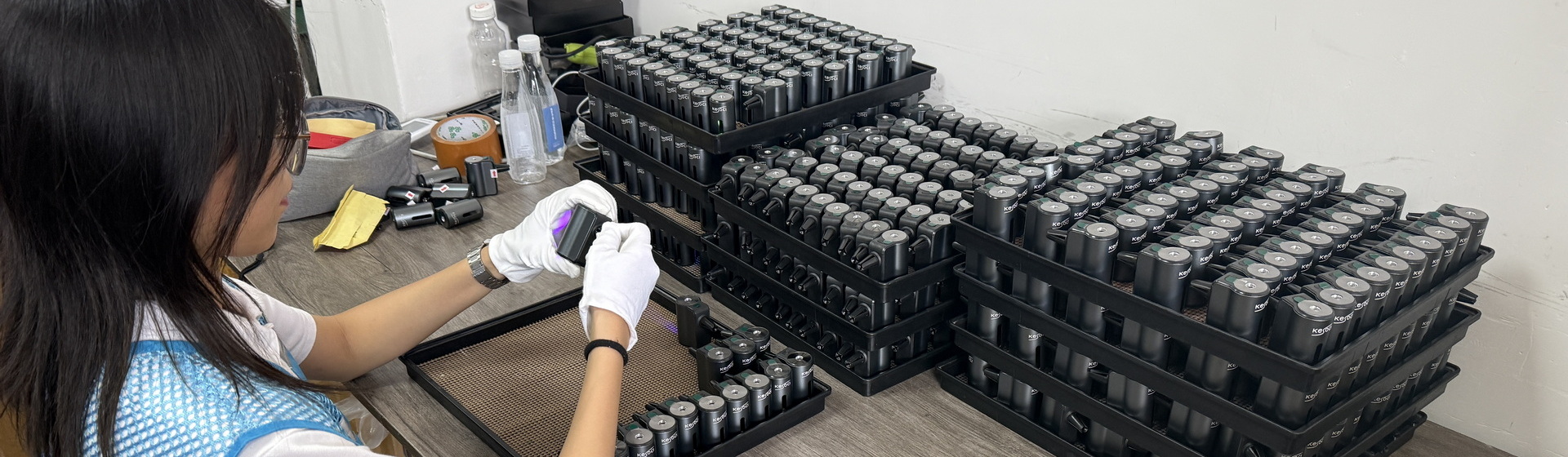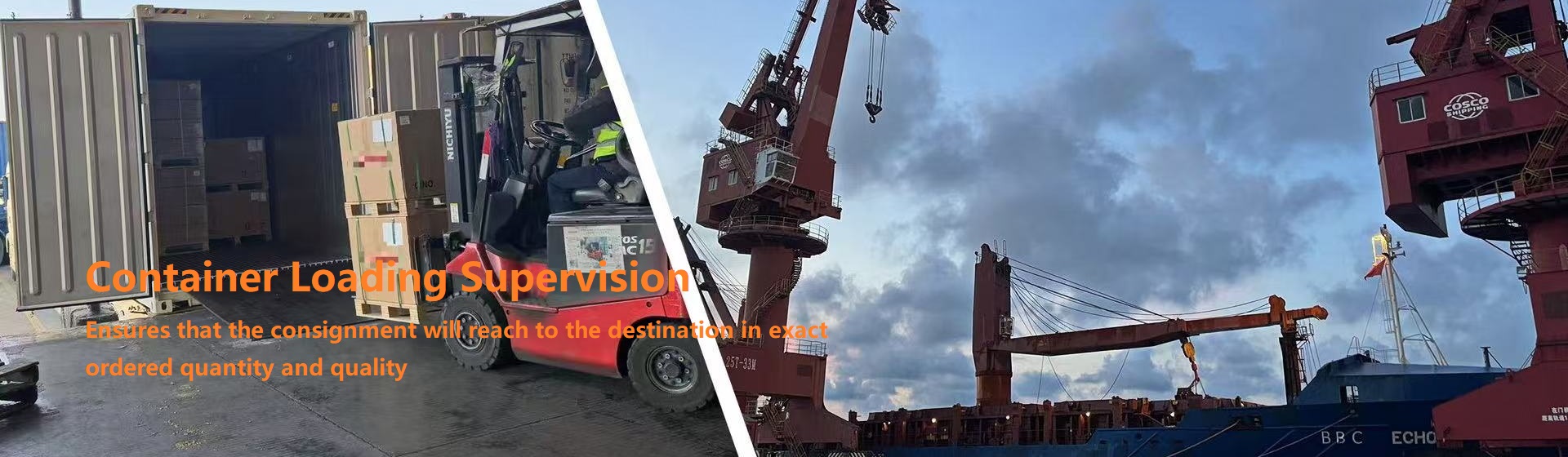
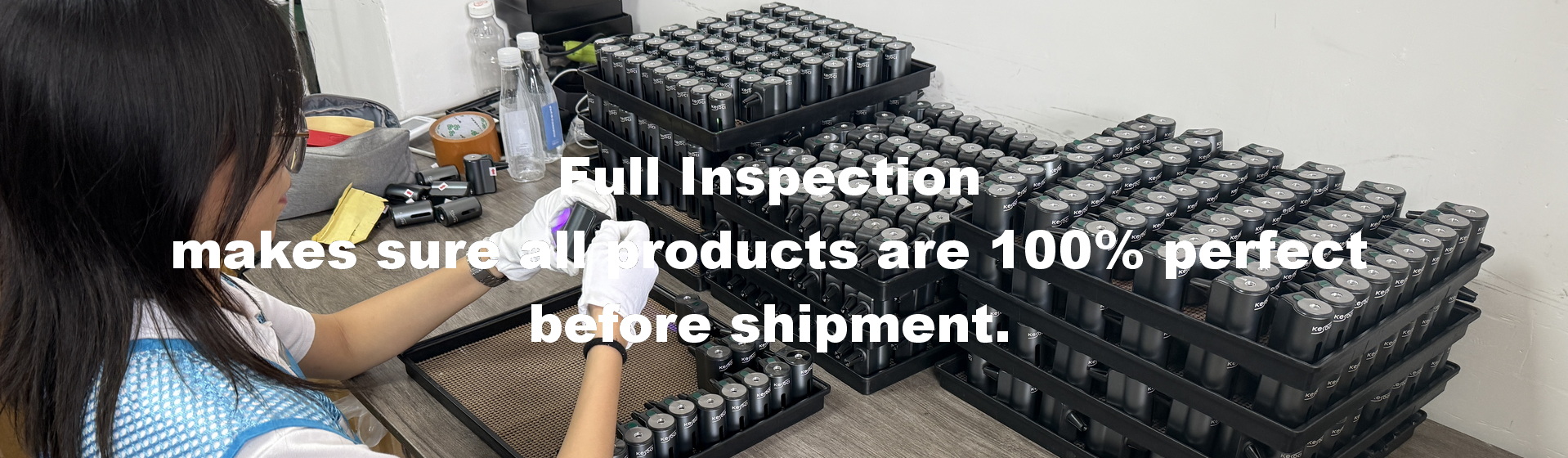
Full Inspection(100% Inspection)
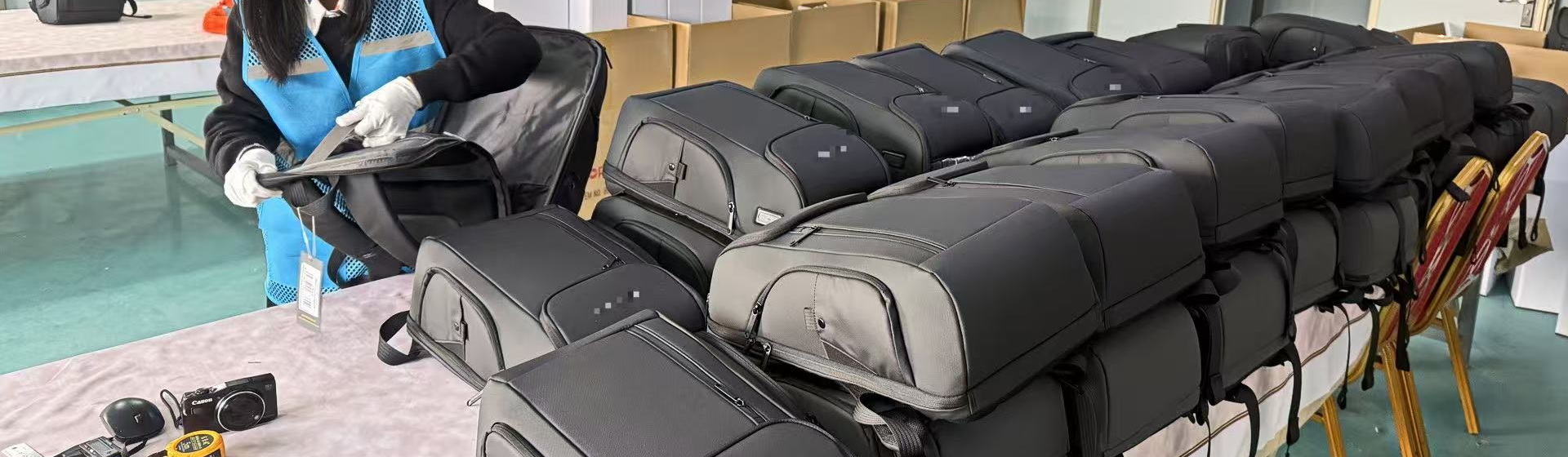
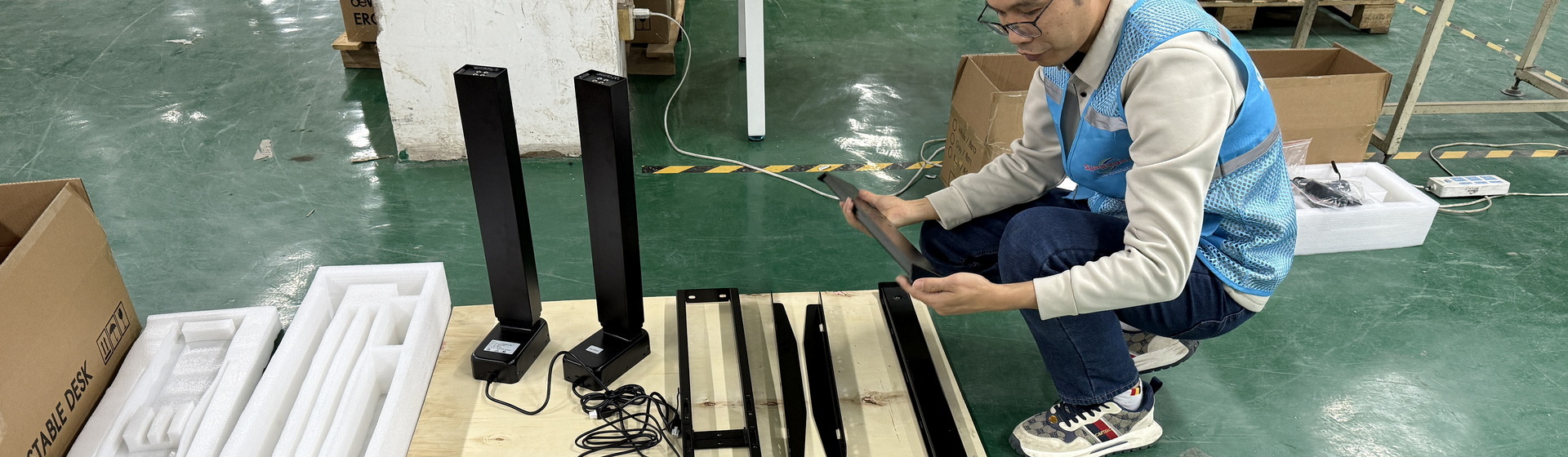
Full inspection, or 100% inspection, is a quality control process where every product or component is examined to ensure that it meets specific standards or requirements. In this type of inspection, no effect is left unchecked, meaning every item is inspected to identify defects, inconsistencies, or other issues. 100% inspection is often used in manufacturing, automotive, and aerospace industries where quality control is critical to ensuring safety and customer satisfaction. By conducting 100% inspections, businesses can reduce the risk of defects, improve customer satisfaction, and save on costs associated with recalls and repairs.
At SIT, The quality control method of inspecting all products one by one to ensure that each product meets customer requirements and industry standards, distinguishing between qualified products (sealed) and defective products (reworked), ensuring compliance with customer standards, is commonly used for high-value, high-risk, or high-quality requirements orders.
What does “100% inspection” mean?
100% inspection is a process that involves examining every single product or component to ensure that it meets specific standards or requirements. This type of inspection is commonly used in industries such as manufacturing, automotive, and aerospace to improve quality control and reduce defects. In this article, we’ll discuss the importance of 100% inspection, its associated challenges, and tips for conducting effective inspections.
Why use the 100% Full Quality Inspection at SIT?
If your goods have high value and if your supplier is not sharp enough when performing his quality control procedure, then for the public you are servicing, you can be sure your defective rate will be not low as your quality standard is high, which in turn expose you to potential issue.
For a manufacturer, being sharp during quality control process also means to waste more material, and involve more workmanship time than it should be, hence it decrease its profit. For this reason, manufacturers are time to time tempted to be less strict concerning the quality of their production.
In the case where you can not fully trust your supplier enough to make the quality control job sharp enough and if your product are large scale production, it may be appropriate to perform a 100% full quality control before shipment to identify potential defectives products, to segregate them or to repair them.
When Should You Use 100% Inspection?
100% inspection should be used when quality control is critical to the success of a product or process and the cost of defects is high. This type of inspection is typically used when the cost of repairing or recalling defective products exceeds the cost of conducting a 100% inspection. Some examples of industries commonly using 100% inspection include manufacturing, aerospace, automotive, and medical devices. In these industries, defects can lead to severe consequences such as safety risks, regulatory violations, or reputational damage. It’s important to note that 100% inspection can be time-consuming, resource-intensive. Therefore, it should be used judiciously and in conjunction with other quality control measures, such as randomly inspection, to achieve an optimal balance between cost, efficiency, and quality assurance.
SIT Tips for Conducting an Effective 100% Inspection
To conduct adequate 100% inspections, careful planning and preparation are key. Some tips for success include:
> Develop a clear inspection plan: Before conducting an inspection, develop a clear plan that outlines the specific requirements and standards that need to be met. This can help ensure that the inspection is conducted consistently and thoroughly.
> Use the right tools and equipment: Using the right tools and equipment can make the inspection process more efficient and effective. Ensure that you have access to the necessary equipment and that it is properly calibrated.
> Ensure proper training: Inspectors should receive proper training on how to conduct effective inspections and interpret the results. This can help ensure that the inspection process is consistent and that any issues are identified and addressed quickly.