Electronic Toys Inspection
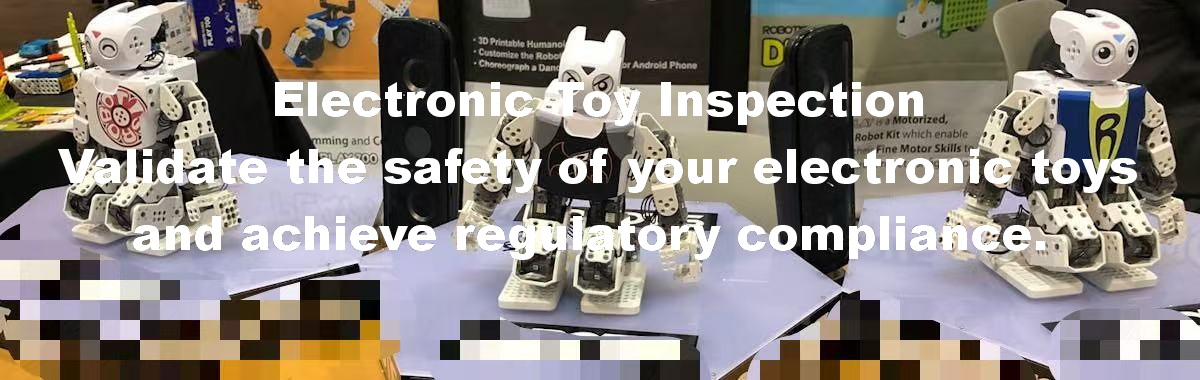
SIT provides quality assurance solutions for many different electronic toys.ensuring the safety, quality, and compliance of toys is crucial for manufacturers, retailers, and consumers alike. Toys are more than just products – they are part of a child’s world so their safety and functionality cannot be overlooked. Our comprehensive electronic toy inspection services are designed to help you meet regulatory standards, maintain product quality, and build consumer trust. With our global expertise in programme management and well-trainied inspectors in different parts of the world, we help you safeguard safety and quality of your toy products before they reach the markets.
Key Aspects of SIT’s Toy Inspection
Our inspection experts follows a rigorous, on-site inspection protocol tailored to meet your specific requirements and toy products’ categories. No matter your electric toys(nteractive animals, robots, walkie-talkies, learning gadgets, electric toy cars, scooters, and gaming consoles). the quality inspection protocols can be designed to best fit your expectations.
Packaging: Check the packaging for integrity and to ensure all required safety labels and warnings are present and legible.
Official safety test.
Materials check: Examine the quality of all materials used, ensuring there are no sharp edges ,sharp point ,other hazards and bad smell.
Stability test: Make sure the toy is stable and won’t easily tip over.
Loose parts check: Inspect for loose wires, small parts that could break off, or any components that are not securely attached.
Battery compartment: Verify the compartment is easy to open and close correctly, and that the battery orientation is clear.
Buttons and controls check: Ensure all buttons and controls are secure and functional.
Mechanical/physical test:ensure the toys there are no hazardous sharp edges, sharp points and small parts, or other potential hazards, as well as tests for:
> Strength test
> Fatigue test
> Durability test
> Tensile test
> Torque test
> Static test
> Impact test
> Noise test
Functionality test: Test all sounds, lights, and movement to ensure they work correctly and safely:
> Functionality test
> Battery performance test
> Sound quality test
> Durability test
> Safety test
> Packaging test
> Assembly test
> Material quality test
> Compliance test
> Labeling test
Electrical Safety test: Certified labs test for electrical hazards like shock, burns, and fire. This includes tests for insulation resistance, dielectric strength, and flammability of materials used in the electrical components.
Chemical Safety test: Products must be tested for harmful chemicals like lead, which is done through certified laboratory analysis.
Electrical safety test:Ensuring the safety of electrical, radio-controlled and battery-powered toys and devices we offer range of tests to assess electrical safety:
> Resistance test to heat and fire
> Short-circuit test
> Labeling check
Battery Safety: Specific tests are performed on batteries and charging mechanisms to ensure durability and protection against overheating.
Why You Need Toy Inspection Services
Most developed nations around the world, including America and the European nations, have set stringent safety standards for imported toys to prevent children from coming in harm’s way. Identifying and discarding defects in products is what we do best. Our quality-assurance experts will carry out details inspection for electric toys and generate a comprehensive report for you. What we done ensure your products meet all the necessary quality and safety requirements, as well as compliance standards.
What Kind of Inspection Service is Best for you At SIT?
> Components and raw material: Initial Production Inspection (IPI)
> Materials in Process: During Production Inspection (DPI)
> Finished Products: Final Random Inspection/Pre-Shipment Inspection (FRI/PSI)
> Loading Inspection: Container Loading Supervision (CLS)
During Production Inspection (DPI), or In-line Product Inspection (IPI),
checks semi-finished or finished goods part-way through the production process. Generally, this takes place when between 40% of your order has been produced and 20% export-packed.
Advantages:
Doing so improves your control over production and allows for timely correction of defects and improvements to quality.
Initial Production Inspection (IPI)
An Initial Production Inspection (IPI) is conducted at the very beginning of production, ideally after the vendor verification process (factory and/or social audit) has been completed.
The objective of an Initial Production Inspection, or Pre Production Inspection (PPI), is to identify defective materials or components prior to the production process, thereby minimizing the risk of non-conformities and allowing for timely corrections where necessary. It can also identify if your vendor has correctly understood your order, avoiding miscommunication and ensuring that any deviations from the customer’s specifications are addressed early.
Advantages:
> Ensure your requirements are met.
> Inspect the quality of your components.
> Preview the production process.
> Detect and fix problems early.
> Avoid wasting time.
> Avoid additional costs.
During Production Inspection (DPI)
The During Production Inspection (DPI), or In-line Product Inspection (IPI), checks semi-finished or finished goods part-way through the production process. Generally, this takes place when between 40% of your order has been produced and 20% export-packed.
Doing so improves your control over production and allows for timely correction of defects and improvements to quality.
Advantages:
> Verify your order is on schedule.
> Ensure your products comply with the Golden Sample.
> Make adjustments early in the production cycle.
Final Random Inspection (Fri).
The Final Random Inspection (FRI), or Pre Shipment Inspection (PSI), checks finished products when at least 80% of your order has been produced and export-packed. Samples are selected at random, according to AQL sampling standards and procedures.
The Final Random Inspection ensures that the production complies with your specifications and/or the terms of your purchase order or letter of credit.
Advantages:
> Verify your goods before they are shipped.
> Approve final payment in confidence.
> Refuse the order if it does not meet your requirements.
Container Loading Supervision (CLS)
Container Loading Supervision (CLS) checks that your order is both complete and securely loaded into its container before shipment. This inspection ensures that the goods delivered by the factory are compliant with your requirements in terms of quantity, assortment, and packaging.
A container loading inspection also ensures that the export cartons are securely loaded into the container, and that the container is in good condition (clean, dry, damage and odor free).
Advantages:
> Ensure that your whole production is shipped.
> Get your goods loaded with care.
> Check the condition of your containers.
> Verify the correct quantity has been loaded
Why Choose SIT in Electric Toys
SIT is committed to providing comprehensive electric toys inspection service who takes professional ,accurate and reliable inspection as the SIT core , Ensuring compliance with regulatory standards is crucial for any business operating in today’s global marketplace .At SIT, We also provide an extensive suite of inspection service designed to minimize risk and ensure the highest levels of quality and accuracy, As a globally inspection company ,Our expertise in conducting comprehensive quality inspections and quality assurance assessments helps your business maintain and enhance operational standards.
Total Quality-Assurance Services for Securing Quality at SIT, Empower Trade Globally.