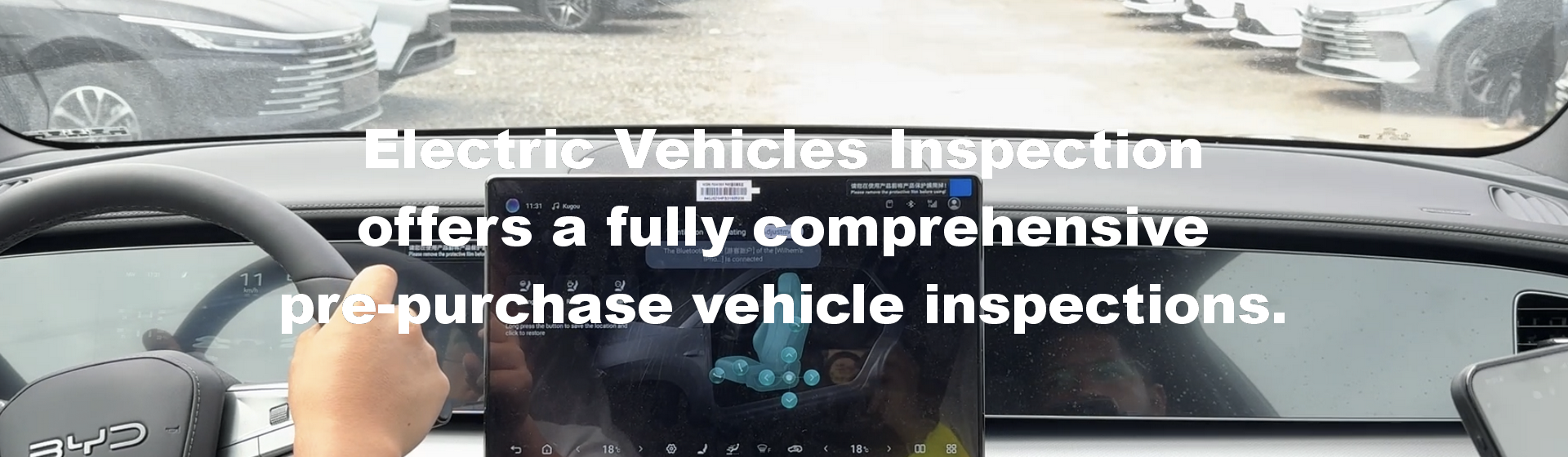
Electric Vehicles Inspection
Electric vehicle (EV) inspections differ from traditional car inspections primarily due to the absence of an internal combustion engine and the presence of a high-voltage battery system. While traditional inspections focus heavily on engine performance, exhaust systems, and fuel delivery, EV inspections prioritise the condition and performance of the battery, electric motor, and associated electronics.
What is an Electric Vehicle Inspection Checklist?
SIT is committed to an electric vehicle inspection checklist made ,That document that can help streamline the inspection process of different electric vehicles. It can be used by private individuals, fleet managers, business owners, vehicle repairmen, and maintenance personnel to ensure an electric vehicle is in good and safe operating condition by SIT engineer experts. Following checklist for you knowing SIT
Specialized EV checks
Battery condition: Assess the battery’s capacity, efficiency, and overall health. Look for signs of damage like tears, punctures, or discoloration and check the coolant levels.
Charging system: Verify that all charging ports, cables, and onboard equipment function correctly for charging at various stations.
Electrical components: A technician will check the wire harnesses, sensors, and controllers, and ensure safety systems like automatic power disconnection are working properly.
Drive train: Inspect the electric motor and transmission for performance and defects.
Regenerative braking: Ensure the system that recharges the battery when slowing down is working efficiently.
Standard safety checks
Brakes: Check brake pad wear (which may be longer on EVs due to regenerative braking) and overall brake functionality.
Tire:Inspect tread depth and condition. EVs may wear tires faster than conventional cars.
Lights: Verify all headlights, brake lights, and other lights are working correctly.
General safety: Check other standard items like windshield wipers, seat belts, door locks, and the overall structural integrity of the vehicle.
Internal systems: Test all interior components, including air conditioning, electronics, and the infotainment system.
Important considerations
Professional inspection: Due to the high-voltage electrical systems, it is best to have inspections performed by a qualified technician with specialized tools.
Maintenance history: Review the vehicle’s maintenance records, especially for any battery or 12V battery replacements.
Warranty: Confirm the terms of the manufacturer’s battery warranty and ensure it is transferable to a new owner.
Why Is Electric Vehicle Inspection Necessary?
The battery is the most valuable and expensive part of an EV. The vehicle’s range, performance, and lifespan depend directly on the health of the battery. For this reason, buying a vehicle without a proper inspection can involve serious risks.
Risks of Buying Without an Inspection
> Battery degradation → The car may provide far less range than the factory specification.
> Hidden electrical faults → Issues not visible to the eye may result in costly repairs.
> High repair costs → Battery replacement can cost up to half the value of the vehicle.
> Loss of value → A vehicle without an inspection report may lose buyer confidence.