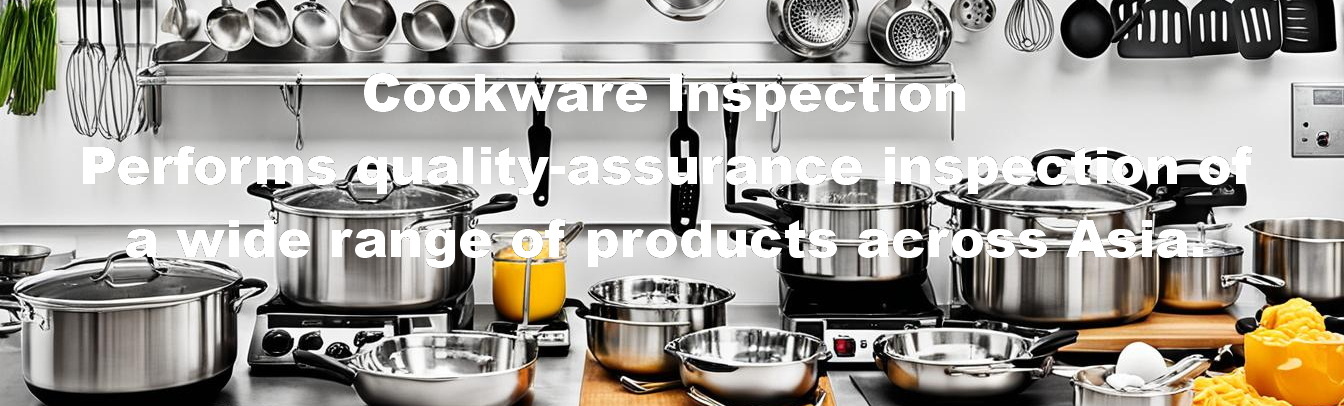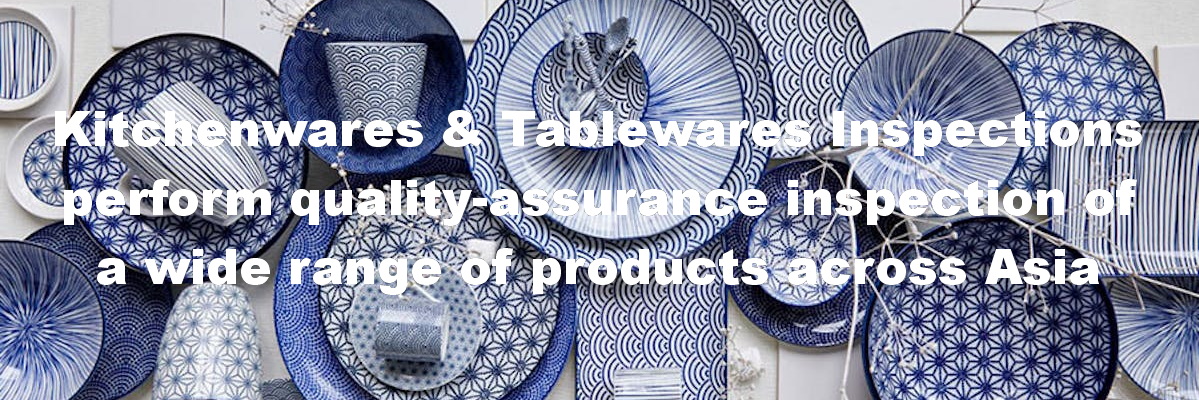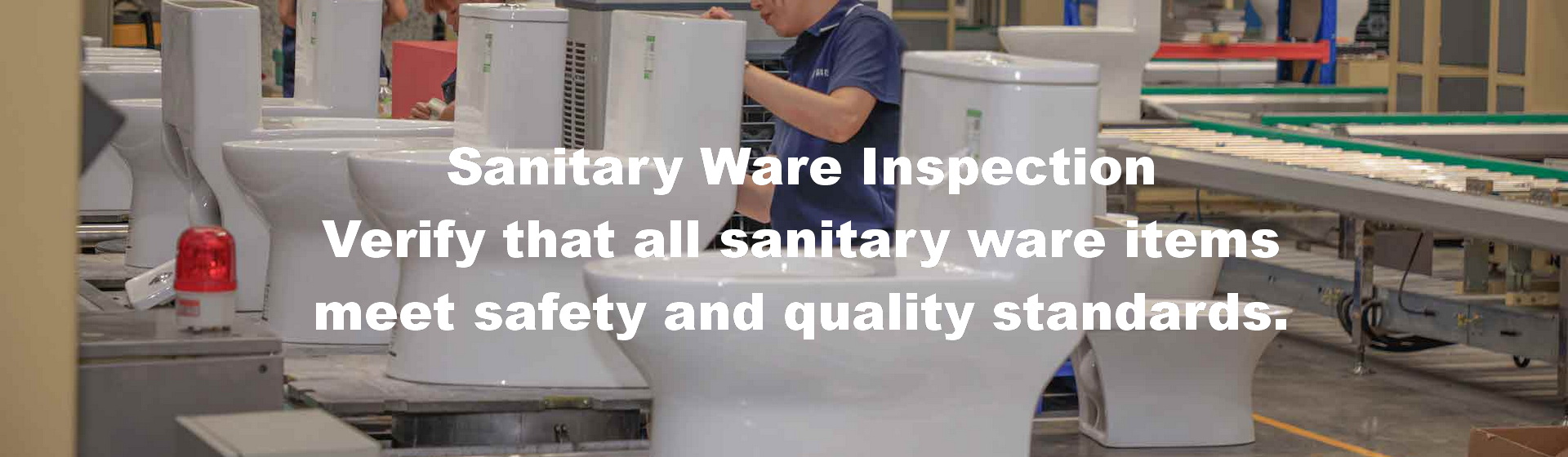
Kitchenwares & Tablewares
Kitchwares & Tablewares Inspection
SIT quality-assurance experts help to confirm the safety and quality of kitchenware and tableware by assisting manufacturers, suppliers, and importers in their efforts to safeguard public health and adhere to strict regional regulations and standards.
Ceramics & Glassware inspections are very important in the kitchware industry ,So all materials and objects are intended to come into contact with food, including kitchenware and tableware. These can be made from a range of substances, including plastics, rubber, paper, and metal, which must be produced in accordance with pertinent laws.Kitchenware and tableware products have a higher risk of safety issues than many other consumer goods because of their frequent contact with food. Recalls of products may be necessary if it is determined that consumers may be at risk for their health or safety. These inspections help identify defects, inconsistencies, and flaws in the fabric, allowing manufacturers to maintain product quality and minimize production issues. Here are the key elements of fabric inspections:
> Test for transportation drops
> Product weight and size measurements
> Check with a barcode scanner
> Check for special functions
> Tape with coating for testing
> Color shade check must be same color
> Stainless steel must meet
> Magnetic check requirements.
> Check the handle’s resistance to bending
> Review of capacity
> Examine the thermal shock
> Check the bottom flat
> Internal coating thickness measurement
> Tempered glass evaluation
> Sharp points and edges must be checked.
> Actual usage evaluation
> Stability evaluation
> Moisture analysis of a wood component
> Smell check
> Product wobbling test for items that stand alone
> Check for water leaks
What’s Benefits of Kitchwares & Tablewares Inspection at SIT
At SIT,can offer numerous benefits that can greatly enhance the overall quality and reliability of the products. as ensuring food safety and product quality, preventing potential hazards, and safeguarding brand reputation by catching defects and issues before they reach consumers. SIT Inspections can also improve production efficiency and reduce costs associated with reworks and recalls. Here are some key advantages of opting for SIT:
Consumer and food safety
Prevents health hazards:Inspections help identify and eliminate hazardous substances, like chemicals from coatings, or defects that could lead to injuries, such as parts breaking off during use.
Protects public health: They are crucial for preventing foodborne illnesses by ensuring kitchen equipment meets hygiene and food safety standards.
Ensures product safety: Tests verify that materials are safe for use with food, and that the product can withstand normal usage, like heat and dishwashing cycles.
Business and quality assurance
Minimizes financial loss: Inspections can save money by preventing costly product recalls and the need for reworks.
Protects brand reputation: By ensuring a high-quality and safe product, inspections help build consumer trust and protect the company’s brand image from negative publicity and loss of customer loyalty.
Improves production efficiency: They help eliminate low-quality products early in the process, which streamlines production and leads to a more efficient operation.
Ensures compliance: Inspections verify that products meet mandatory safety and performance requirements and industry regulations.
Guides innovation: Feedback from inspections can help manufacturers identify areas for improvement, which encourages innovation and the development of better products.
Kitchenwares and Tablewares Cover:
Glass, plastic, paper, ceramic mugs, and thermos cups are among the various types of cups.
Milk bottles, feeding bottles, cans, and plastic bottles are examples of bottles.
Pots, including coffee pots, purple clay pots, French press pots, sports water bottles, and heat preservation pots.
Plates: a fruit plate, a fruit basket, a baking tray, a biscuit mold, and an ice tray.
Tableware includes forks, bowls, plates, chopsticks, fresh-keeping containers, fresh-keeping lids, and so forth.
Kitchenware, including frying pans, pots, spatulas, boiling pots, and other cooking utensils.
Knives, including kitchen knives, fruit knives, and food scissors.
Tin foil, cake boxes, and food packaging.
Paper, plastic, bamboo, and glass straws are all acceptable types of straws.
Additionally, there are cutting boards, ice packs, single-use gloves, and food coatings.