Apparels & Garments Inspection
Is essential for garment quality control. Learn what is the process of a garment quality-assurance inspection and what checkpoints are included in a garment inspection checklist to enhance your garment quality-assurance and compliance.
In the garment industry, whether you are a manufacturer, importer, or brand, you must understand the importance of quality-assurance inspection in this business. This industry shifts swiftly, and any time lost in shipment or defect fixings can lead to unimaginable losses. Moreover, quality issues can quickly disseminate in the digital age, giving competitors an advantage. Therefore, quality control is essential, and quality-assurance inspection is the most commonly used method.
In this post, we will guide you through the steps of a garment quality inspection, the key checkpoints to focus on, and how can SIT expertise support your garment quality control.
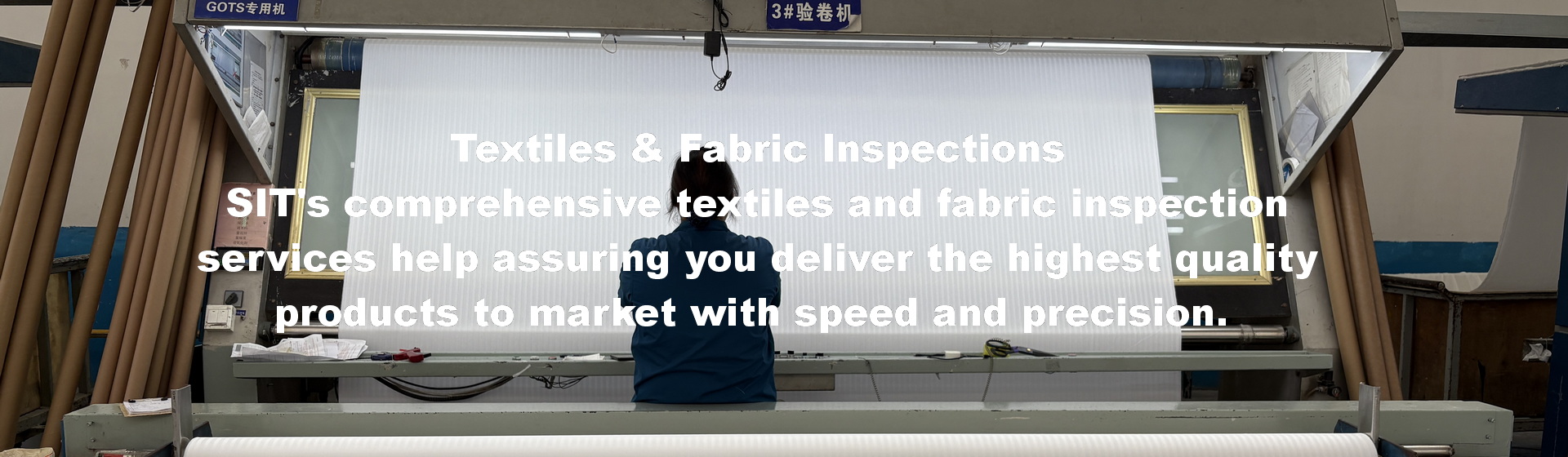
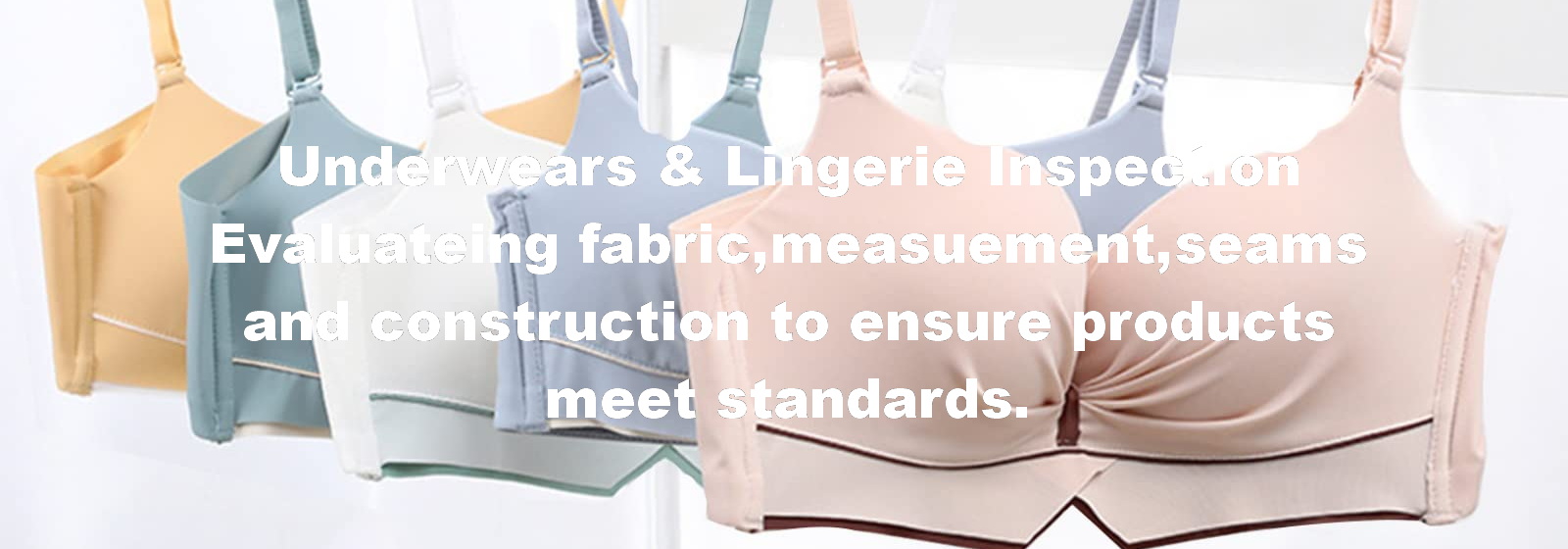
SIT is committed to quality solutions for textile and garment, covering the raw materials, including fabric, leather, trims and accessories to the production of finished garments. We provide supporting to different categories including ready-to-wear, luxury garments, children’s garments, outdoor garments, sportswear, underwear, work wear and home textile. Ensuring the safety and quality of our customers’ products.
What Is the Process of a Apparels & Garments Inspection?
First, let’s take a look at the process of garment quality inspection. Understanding this process will help you form a complete picture of this quality control method and grasp the focus of each session, which supports the delivery of final garments that meet your expectations.
1. Confirm Storage Condition
Per the information provided by your inspection order, the inspector will arrive at the inspection location on your required date. The inspector will check if the packed items are stored properly, in the correct quantity, and if they have with right shipping marks. This helps to ensure production progress, verify storage conditions, and estimate as precisely as possible the total quantity available for inspection.
2. Select Samples Per AQL Standard
The next step is to select random samples per the AQL (Acceptable Quality Limit) Inspection level. This is an international quality standard that outlines the worst tolerance of different levels of defects, critical, major, and minor, in the selected sampling items. It saves time and budget for an inspection. Of course, you may also require a 100% inspection on your batches if your products are of high value or you have zero tolerance for defects.
3. Check Packaging, Marking, and Labeling
Then, the inspector will check the shipper carton and inner carton’s markings and labelling to ensure the identification of the packages. The inspector will also check the retail packaging’s markings and labelling per your documents or instructions to ensure conformity.
For garment labeling, brands must adhere to specific requirements, which we will outline in the below session.
4. Verify Product Dimension and Weight
In this step, the inspector will first verify the dimensions and weight of the shipper carton to see if they match your requirements. This may help you to determine if the batches can perfectly fit in the container you booked. The inspector will measure the individual products as well in size and weight to see if the data matches your specifications.
5. Check Product Workmanship
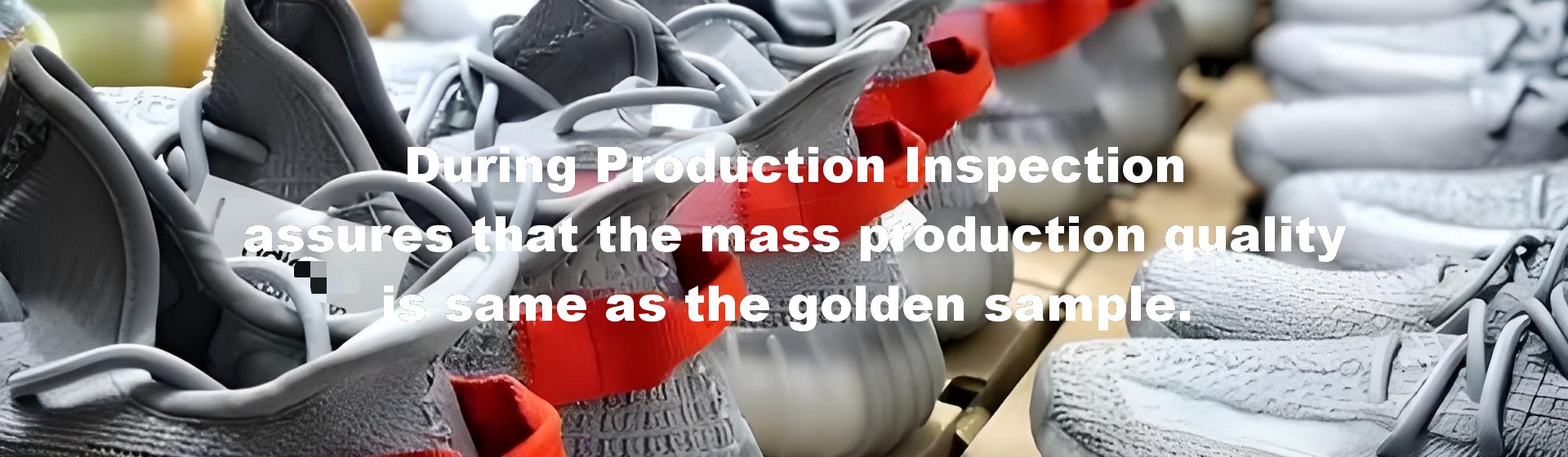
In this step, the inspector will evaluate the overall workmanship of your products, looking at aspects such as appearance, cleanliness, workmanship, color fading, and so on. Any defects found will be categorized as critical, major, or minor. Additionally, if you have an approved sample, the inspector will compare the manufactured products with the approved sample to ensure that your supplier is maintaining the same production standard.
6. Conduct On-Site Tests to Validate Product Functionality
Last but not least is the field-testing step. The inspector will perform specific on-site tests according to the inspection checklists to test the functionality in real-life. For garments, common tests include the GSM test, seam strength test, color shade check, and more. The inspector can also perform other special tests based on your specific requirements.
What Checkpoints Are Included in Apparels & Garments Inspection Checklist
Professional third-party quality control companies use quality control checklists during product inspections. A quality control checklist, also known as an inspection criteria sheet (ICS), is a document that outlines product requirements, specifications, packaging, and inspection checks. It is one of the best tools to help identify defects and avoid errors in the manufacturing process.
Different product categories have different quality control checklists tailored to focus on specific aspects. Here we will talk about the key checkpoints in a garment quality control checklist and how they can help to ensure the quality of your garment products.
Product Specifications
> Material confirmation: check if the manufactured products are made of specified materials
> Workmanship and appearance: check on the overall workmanship of the selected garment pieces to identify defects like double stitches, untrimmed threads, and wrinkle marks.
> Color shade: inspectors will use a standardized color system, such as Pantone cards, to define the color of the garment and check if it aligns with your required color.
Packaging and Labelling
> Packaging: packaging is crucial in the garment retail chain, as it protects products from damage and must comply with local laws in the destination market. Packaging checks usually include packaging’s weight and dimensions, material, carton size and weight, and retail packaging strength.
> Labelling: garments require labels. Garment labels not only help to establish a brand identity but also give instructions on how to care for this garment after purchase. Most importantly, the labels must comply with the rules and regulations in the destination market. According to the U.S. Federal Trade Commission (FTC), garments entering the U.S. market must have a care label that includes at least the following information:
> Fiber content (e.g. Cotton)
> Country of origin (e.g. Made in xxx)
> Washing and care instructions (e.g. Hand Wash)
> Manufacturer Identification, which is a Registered Identification Number (RN)
In addition, brands and manufacturers must ensure that care labels meet requirements regarding placement, size, and font.
Data Measurement
Checkpoints for data measurement can be various for different garment types. Take a sports shirt for example, here are some key measurement points that this session will cover:
> Body length for front and back
> Chest
> Neck width
> Front neck drop and back neck drop
> Shoulder
> Sleeve length
> Sleeve opening
> Placket width
> Shoulder forward
> Collar stand height
> Collar point length
On-Site Test
On-site tests help to define if the garment meets your specifications and quality standards. Depending on different garment types, on-site tests can vary. Here we have collected some general on-site tests for example:
> Abuse test
> Fabric weight test (GSM test)
> Stitches per inch check
> Colorfastness test
> Hand feeling test
> Metal detection test
> Needle damage test
> Lining pulling test
> Fitting test
> Function test
Why Choose SIT
SIT offer quality-assurance inspection service for a wide range of garment industry ,Secure Your Apparels & Garments Quality with SIT Expertise,that prevents costly defects, ensures product quality and brand reputation, and confirms that products meet all legal and client-specific requirements before they are shipped. A good inspection service provides detailed checks on aspects like fabric strength, color consistency, and construction, ultimately protecting your brand from product recalls and customer complaints.
Benefits of garment inspection
> Prevents costly defects: Inspections catch critical issues like sharp points or broken stitches early on, preventing them from reaching the customer. This mitigates the risk of product recalls, returns, and damage to your brand image.
> Ensures brand reputation: By consistently delivering high-quality, defect-free products, your brand can build customer trust and secure repeat business, especially in an age of online reviews.
> Confirms quality and consistency: Inspecting the fabric for strength, color consistency, and weave/knit integrity ensures the final product is durable and uniform across every batch. Inspectors also verify that individual garments meet size and weight specifications.
> Provides a clear quality agreement: A tangible quality control checklist serves as an agreement between you and your supplier, ensuring both parties have a clear understanding of quality expectations. It also provides a specific set of criteria for inspectors to follow.
> Verifies compliance: Inspections confirm that all garments and their packaging meet local regulations and client requirements, including accurate labeling (like fiber content, country of origin, and care instructions), which is essential for customs and legal compliance.
> Mitigates risk: By performing inspections at various stages, especially before shipment, you avoid the risk of shipping defective goods that could be rejected by customers or customs inspectors.