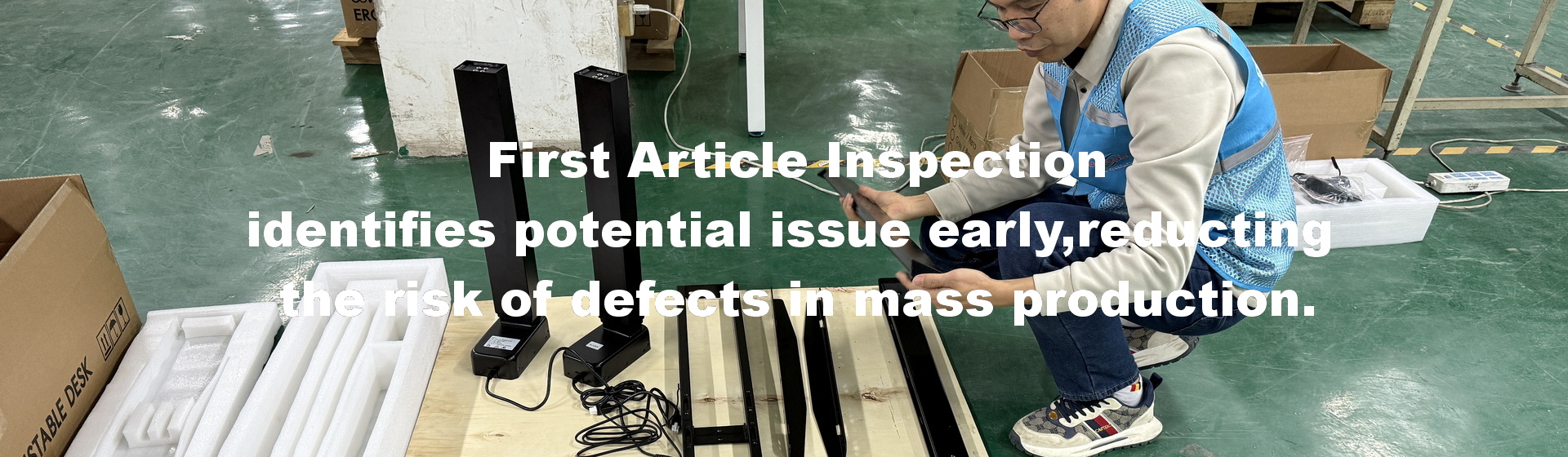
First Article Inspection
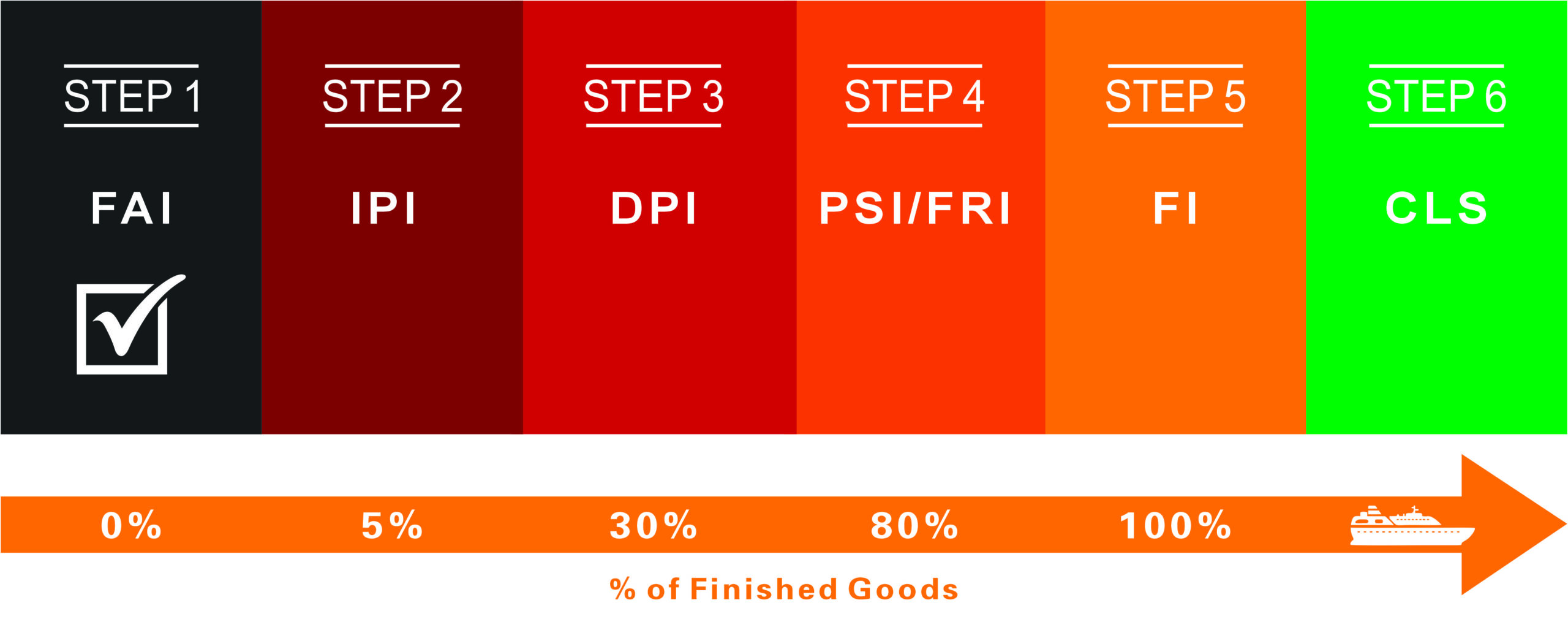
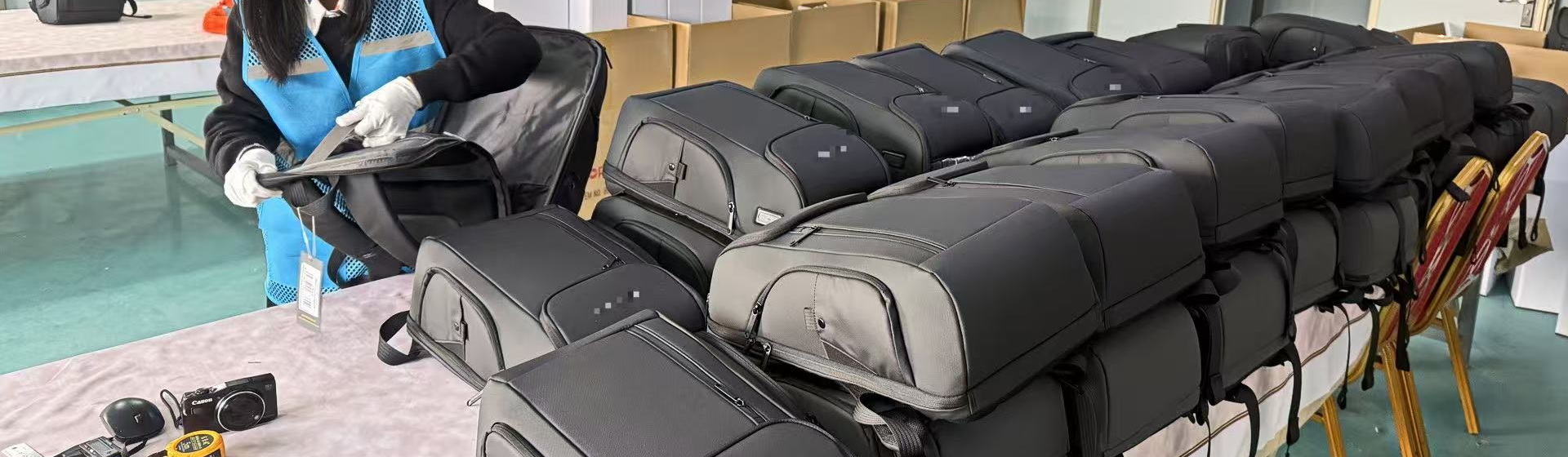
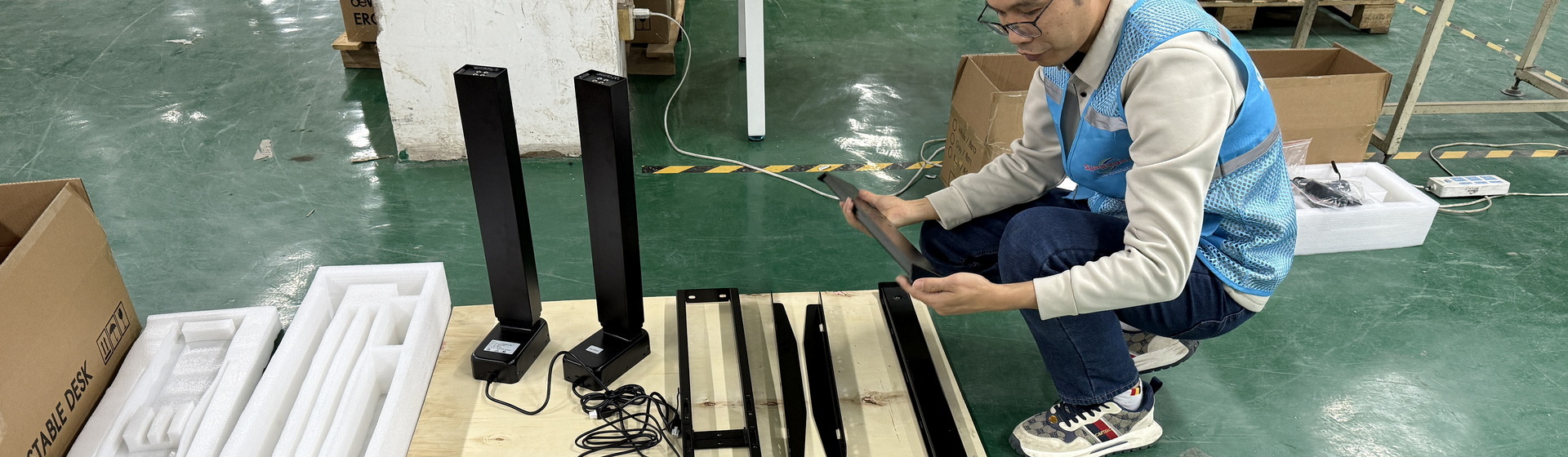
As a trusted inspection provider, SIT quality-assurance experts perform first article inspections on a wide variety of items — large or small, simple or complex. Ensuring that produced parts are in accordance with the design specification and customer expectations is crucial. That is why, in industries, a first article inspection is usually required by authority directives, the customer and/or international standards. Our first article inspection takes place before you begin serial production to ensure that products meet all requirements.
What is a First Article Inspection
Tips for Conducting an Effective 100% Inspection
To conduct adequate 100% inspections, careful planning and preparation are key. Some tips for success include:
Develop a clear inspection plan: Before conducting an inspection, develop a clear plan that outlines the specific requirements and standards that need to be met. This can help ensure that the inspection is conducted consistently and thoroughly.
Use the right tools and equipment: Using the right tools and equipment can make the inspection process more efficient and effective. Ensure that you have access to the necessary equipment and that it is properly calibrated.
Ensure proper training: Inspectors should receive proper training on how to conduct effective inspections and interpret the results. This can help ensure that the inspection process is consistent and that any issues are identified and addressed quickly.
When is a First Article Inspection Needed?
A First Article inspection is required during the new product introduction process to ensure that the manufacturing process is capable of consistently delivering products that meet specifications.
An FAI will typically evaluate one part with the important unwritten assumption that every subsequent part will follow the exact same manufacturing process, and the process will therefore consistently deliver good parts.
Any change in the part’s design or in the manufacturing process violates this assumption, and therefore requires a new First Article Inspection. Here’s a partial list of conditions or events that will trigger a new first article:
> New Product Introduction
> Design Change (new Part Number or Revision)
> Manufacturing Process Change
> Outside Processing Vendor Change
> A Factory Move
> Resuming Production After a Long Gap
Some of these changes require a complete new first article inspection. For example, a change in manufacturing process from 4-axis CNC to a swiss screw lathe, will require a complete new First Article Inspection. Similarly, a change from laser cutting to stamping will also require a complete new first article inspection.
A more localized change, to a powder coating process for example, or a change to the packaging of part, may not require a full first article. Instead, a partial first article may be sufficient.
Why Choose First Article Inspection from SIT?
We can help you:
> Ensure parts are produced in accordance with all specified requirements.
> Identifying any potential problems with the manufacturing process.
> Allowing for modifications to be made to the manufacturing process before the mass production begins.
> Establish a platform to discuss your expectations and any other improvements and requirements.
> Deliver an agreed product to the customer and gather the input for the process evaluation (the last article inspection).